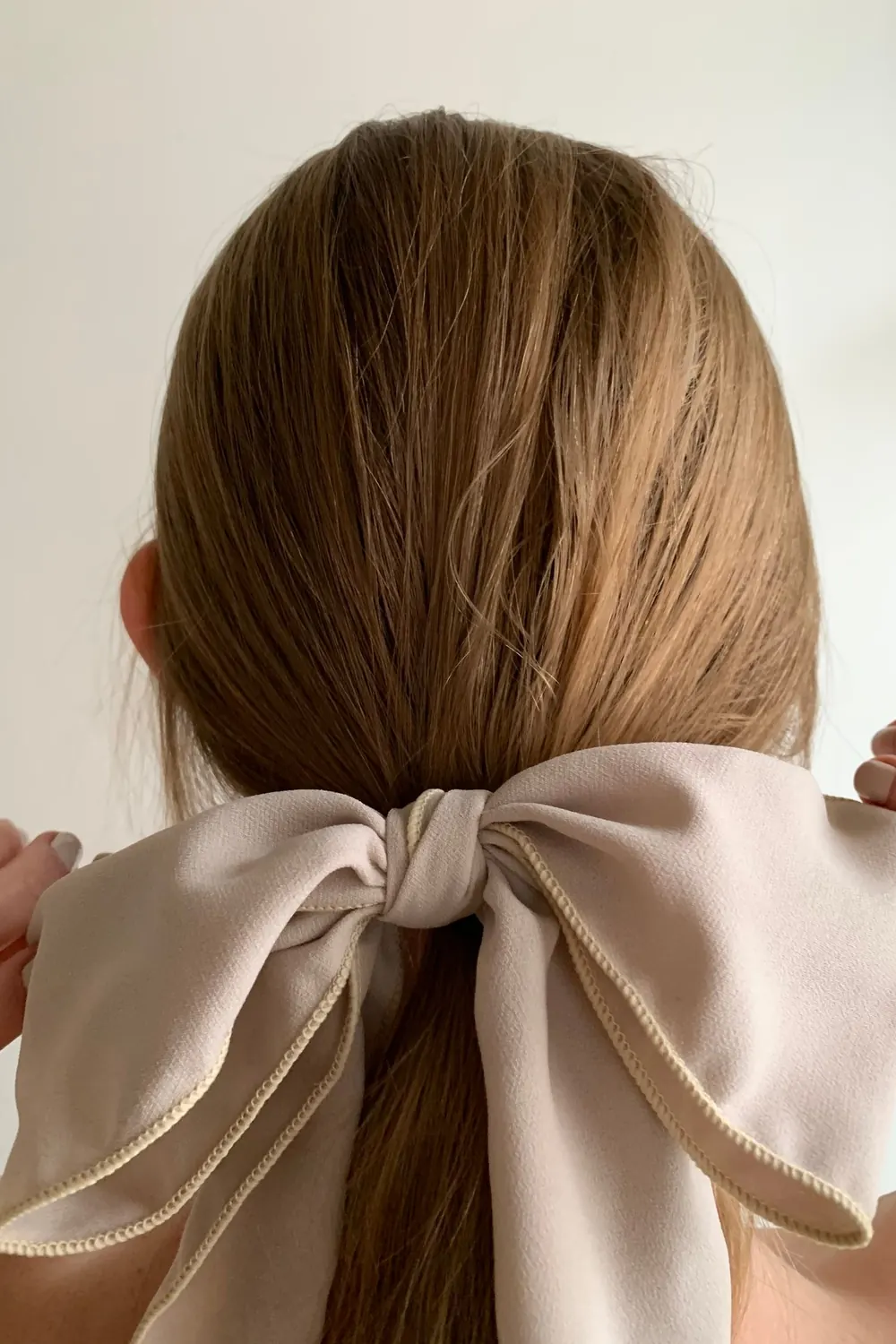
Layered Haircuts for Every Hair Length
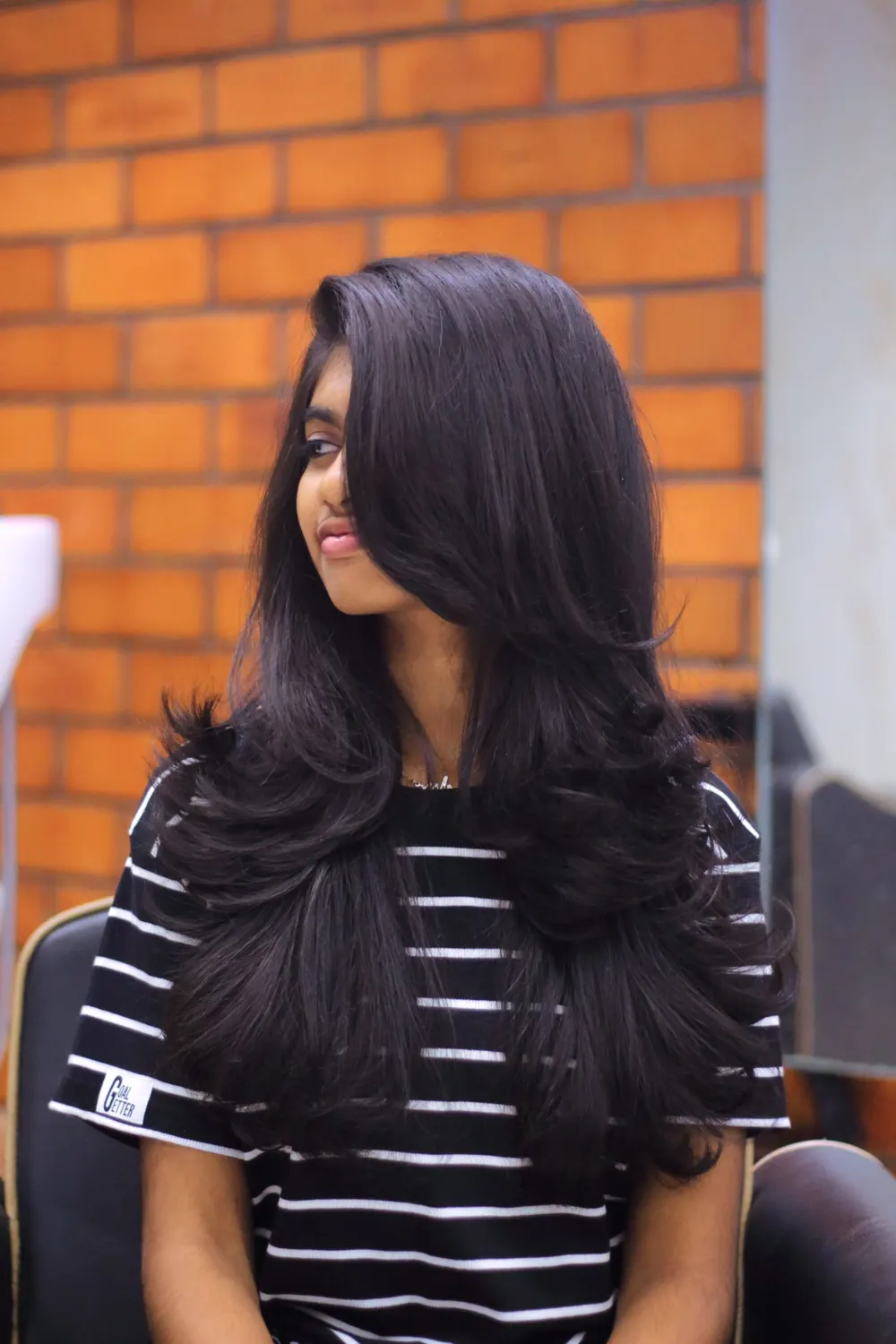
Layered haircuts for long, medium and short hair, how layers suit different hair types and face shapes, what to ask for at the salon and easy ways to style them.
Layered haircuts are the most requested cuts in salons for a simple reason: they work for almost everyone. Layers add movement, remove bulk, frame the face and make styling easier. But "layers" can mean many different things, from subtle long layers to choppy shag cuts. This guide explains the main types, who they suit and how to ask for exactly what you want.
What are layers?
Layers are created when hair is cut at different lengths, so the top sections are shorter than the bottom. This removes weight, adds shape and lets hair move more freely. The more dramatic the difference in length, the more noticeable the layers.
Types of layers
Long layers
Subtle layers that start below the chin. They add movement without changing the overall shape much. Perfect for long hair and for anyone growing their hair out.
Face-framing layers
Shorter layers around the face only, often starting at the cheekbones or chin. They brighten the face and are one of the easiest ways to refresh your look without losing length.
Butterfly cut
Short layers on top and around the face with long layers underneath. It creates a voluminous, bouncy blowout look. Very popular on Pinterest.
Shag
Lots of choppy, textured layers, often with bangs. Works best on wavy and curly hair.
Wolf cut
A mix of a shag and a mullet, with shorter layers on top and longer lengths at the back. Edgy and textured.
Invisible layers
Internal layers cut underneath the top layer to remove weight without visible steps. Great for thick hair that wants to keep a blunt look.
Layered haircuts for long hair
Long hair can feel heavy and flat. Long layers or a butterfly cut add bounce and volume without sacrificing length. Face-framing layers are a gentle way to make long hair feel fresh.
Layered haircuts for medium hair
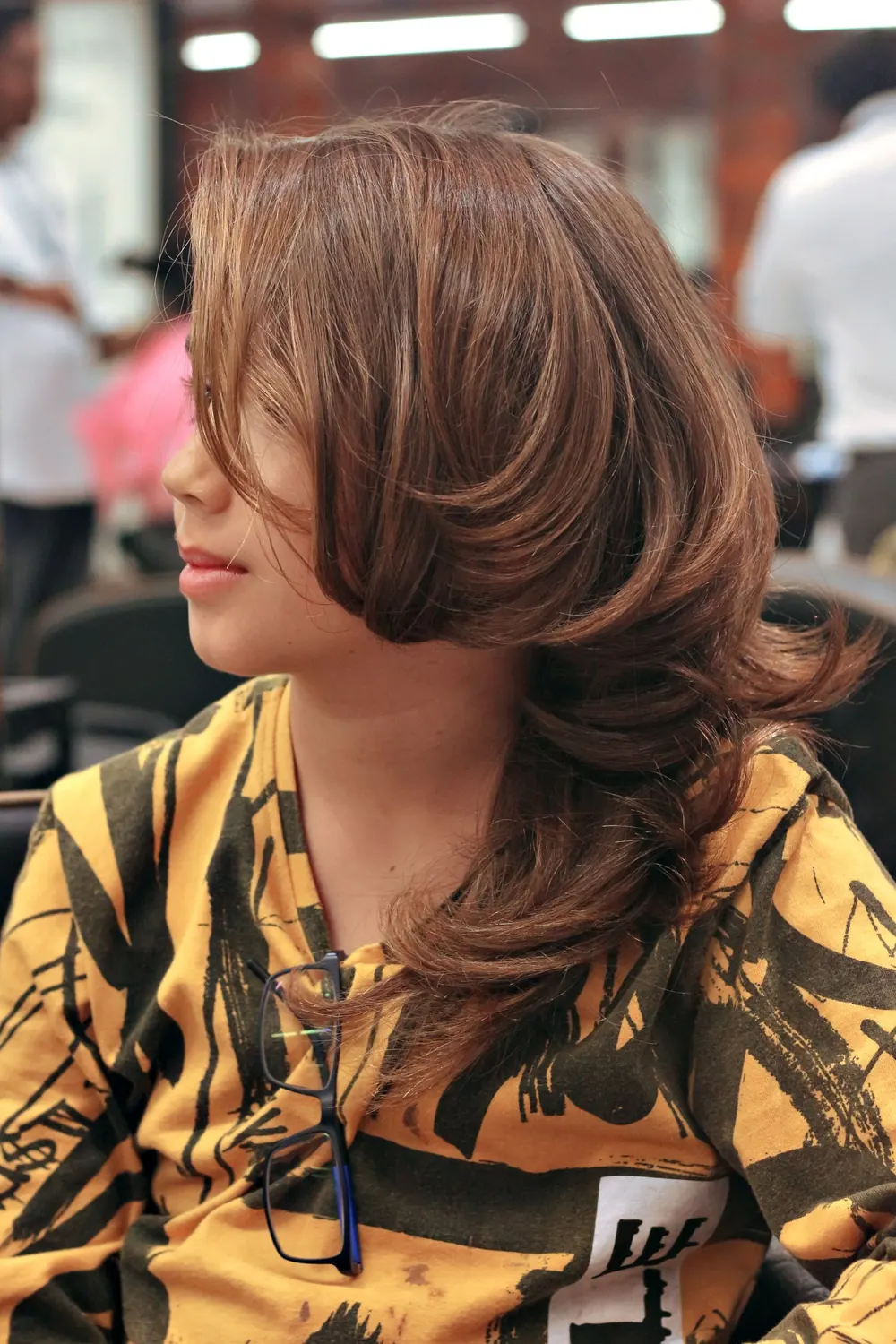
Shoulder-length hair is the most versatile length for layers. Try a layered lob for a polished look, a shag for texture, or soft layers with curtain bangs. Medium layers also make it easier to style waves.

Layered haircuts for short hair
Short layered cuts include the layered bob, the pixie with longer top layers and the short shag. Layers keep short hair from looking helmet-like and add movement. A layered bob is especially flattering on wavy hair.
Layers and hair types
Fine hair
Be careful with layers on fine hair. Too many can make it look thin at the ends. Ask for long, subtle layers and keep the perimeter fairly blunt. Face-framing pieces are usually a safe choice.
Thick hair
Layers are your friend. They remove bulk and help hair sit better. Ask for internal layers or more texture to stop hair looking triangular.
Wavy hair
Layers enhance natural wave and help it form. A shag or long layers work beautifully.
Curly hair
Curly hair is best cut by someone experienced with curls, ideally dry and curl by curl. Layers help prevent the triangle shape and let curls spring up.
Layers and face shapes
- Round: longer layers that start below the chin elongate the face.
- Square: soft, wispy layers around the jaw soften angles.
- Heart: layers that start at the chin add width to the lower face.
- Long: layers with volume at the sides, and maybe bangs, add balance.
- Oval: almost any layered style works.
What to ask for at the salon
The word "layers" is vague, so be specific.
- Bring photos of cuts you like on people with similar hair texture.
- Say where you want the shortest layer to start (cheekbone, chin, shoulder).
- Say whether you want the layers to be noticeable or subtle.
- Mention how you usually wear your hair (air-dried, blow-dried, curled).
- Say how much length you are willing to lose.
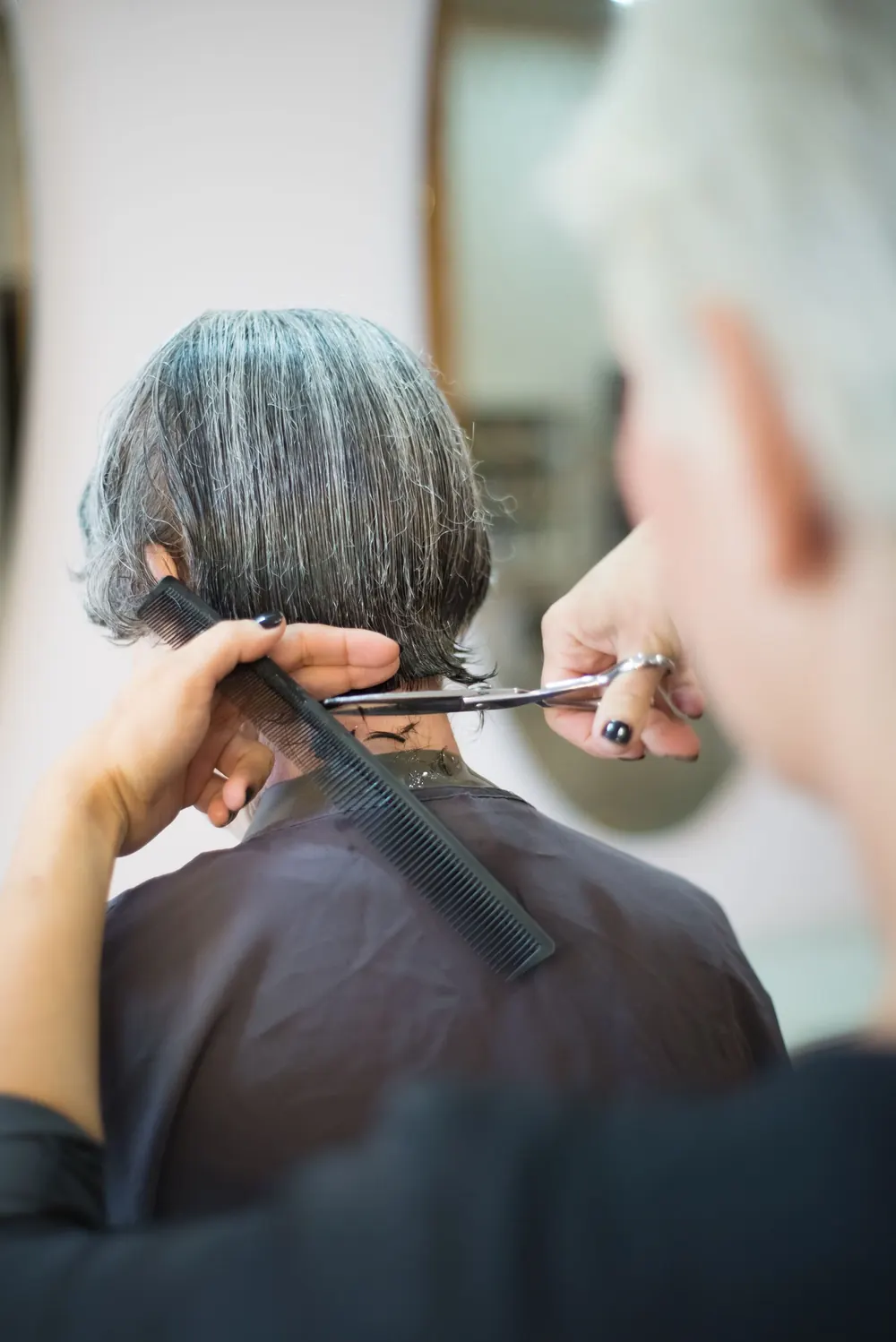
How to style layered hair
Bouncy blowout
Blow-dry with a large round brush, curling the ends away from the face. Finish with a light spray.
Air-dried waves
Apply a wave cream or mousse to damp hair, scrunch and let it dry naturally.
Curled with a flat iron
Twist sections of hair as you glide a flat iron through for loose waves.
Sleek
Straighten for a sleek look that still shows the shape of the layers.
Maintenance
Layered cuts usually need a trim every eight to twelve weeks to keep their shape. Face-framing layers may need a quicker trim every six weeks.
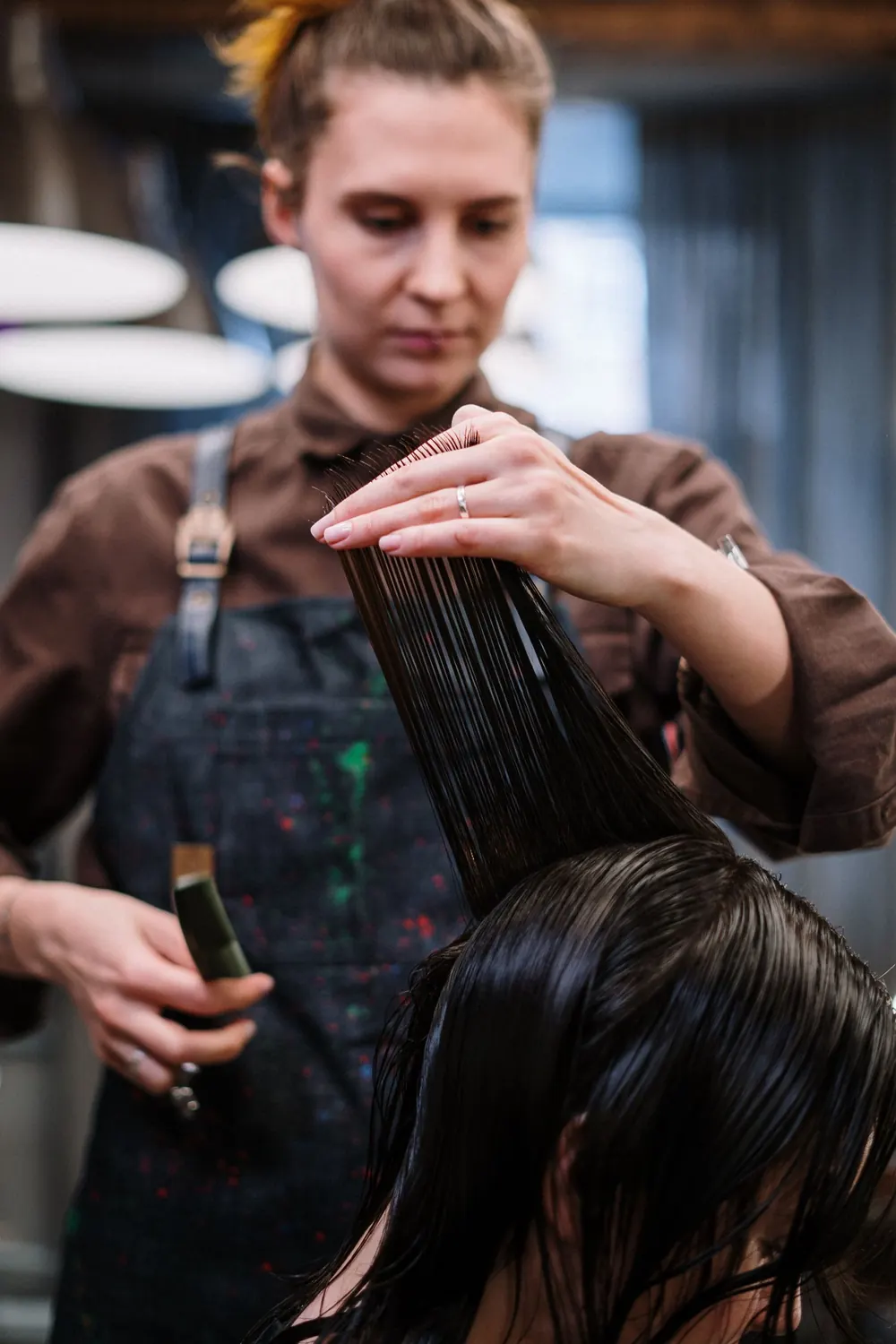
Layers with bangs
Bangs and layers go together naturally. Curtain bangs are the easiest to blend into face-framing layers. If you are curious, read our guide to curtain bangs.
Asking for layered hair at the salon
Bring photos. Describe where you want layers to start. Discuss how you style your hair every day.
Styling layered hair
Use a round brush or a curling iron to emphasise layers.
Keeping layers fresh between cuts
Get a trim every eight to ten weeks.
Layered hair can look flat if it is only air-dried and brushed. Rough-dry until 80 percent dry, then use a large round brush to lift at the roots and bend the ends outward or under. A light texture spray separates the layers so they show.
Layers and curls
On curly hair, layers remove weight so curls spring up and avoid a triangle shape. Ask for a curl-specialist cut, often done dry, curl by curl.
Layers and fine hair
Fine hair suits long, soft layers rather than lots of short ones. Too many layers make the ends look thin. Ask for "invisible" or "internal" layers to add movement without losing fullness at the bottom.
Long, medium and short layers
- Long layers: add movement while keeping length; the easiest to grow out.
- Medium layers: a shoulder-length shag or a layered lob with plenty of swing.
- Short layers: a pixie or layered bob with lots of texture.
Between appointments, a little dry shampoo at the roots and a texture spray on the ends keep layers looking fresh.
Layers and colour
Balayage and highlights show off layers, as lighter pieces catch the light.
Key takeaways
- Bring photos and explain where you want layers to start.
- Fine hair suits long, soft layers; thick and curly hair benefits from more layering.
- Rough-dry then use a round brush to show off the shape.
- Texture spray keeps layers separated and lively.
- Trim every eight to ten weeks.
One last tip
If you are unsure, start with long, subtle layers. You can always add shorter pieces at your next appointment, but short layers take months to grow back out if you decide they are not for you.
Bring two or three reference photos to your appointment and point out exactly what you like in each one, whether that is the face-framing pieces, the movement at the ends or the overall length. Mention how long you usually spend styling each morning, because heavily layered cuts often need a round brush or curling iron to look their best. A good stylist will adjust the layer placement to suit your routine as well as your hair type.
Get the Style Journal Co letter
One thoughtful email a week with our newest guides and seasonal ideas. No spam, unsubscribe anytime.
FAQ
Do layers make hair look thinner?
Too many layers can on fine hair. Long, subtle layers keep hair looking full.
Are layered haircuts high maintenance?
Not usually. Layers often make styling faster, though they need regular trims.
What layered haircut is best for thick hair?
Internal layers or a shag remove bulk while keeping movement.
Layered haircuts are endlessly flexible. Know which type of layers you want, bring photos, and you will leave the salon with a cut that moves beautifully and is easy to style.
Save this guide for later — this image is sized for pinning.
Some posts may contain affiliate links; see our disclosure. Photography: TONI&GUY PONDICHERRY; TONI&GUY PONDICHERRY; TONI&GUY PONDICHERRY; Bulat843 🌙; Kampus Production; cottonbro studio via Pexels.