Easy French Braid Hairstyles
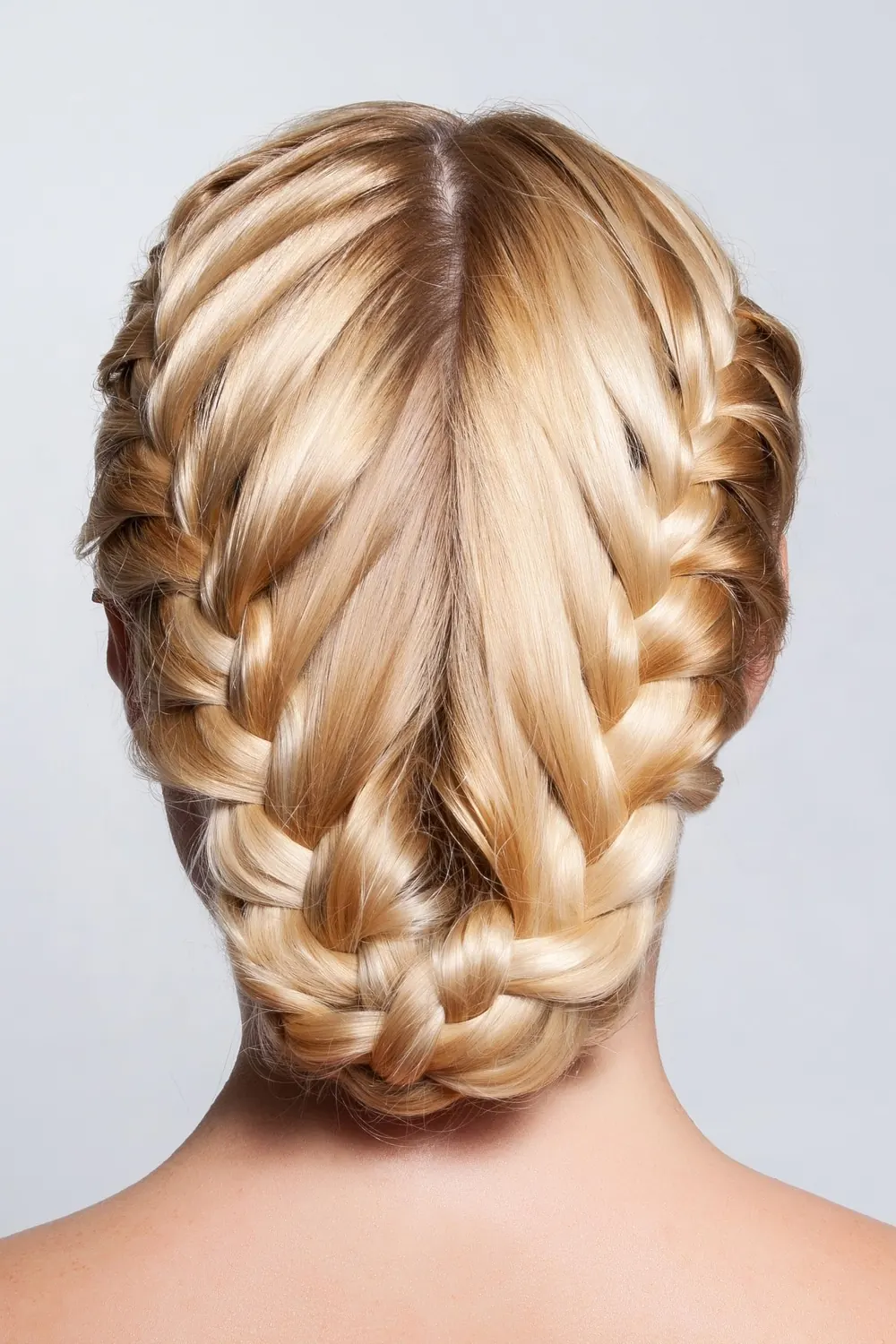
Easy French braid hairstyles with step-by-step instructions, plus double braids, a braided bun, French braids for short hair and holiday and wedding versions.
French braid hairstyles look complicated, but once you understand the basic move, they are one of the most useful skills you can learn for your hair. A French braid keeps hair neat all day, looks lovely for weddings and holidays, and works as a heatless way to get waves overnight. Here is how to French braid your own hair step by step, plus easy variations to try once you have the hang of it.
What is a French braid?
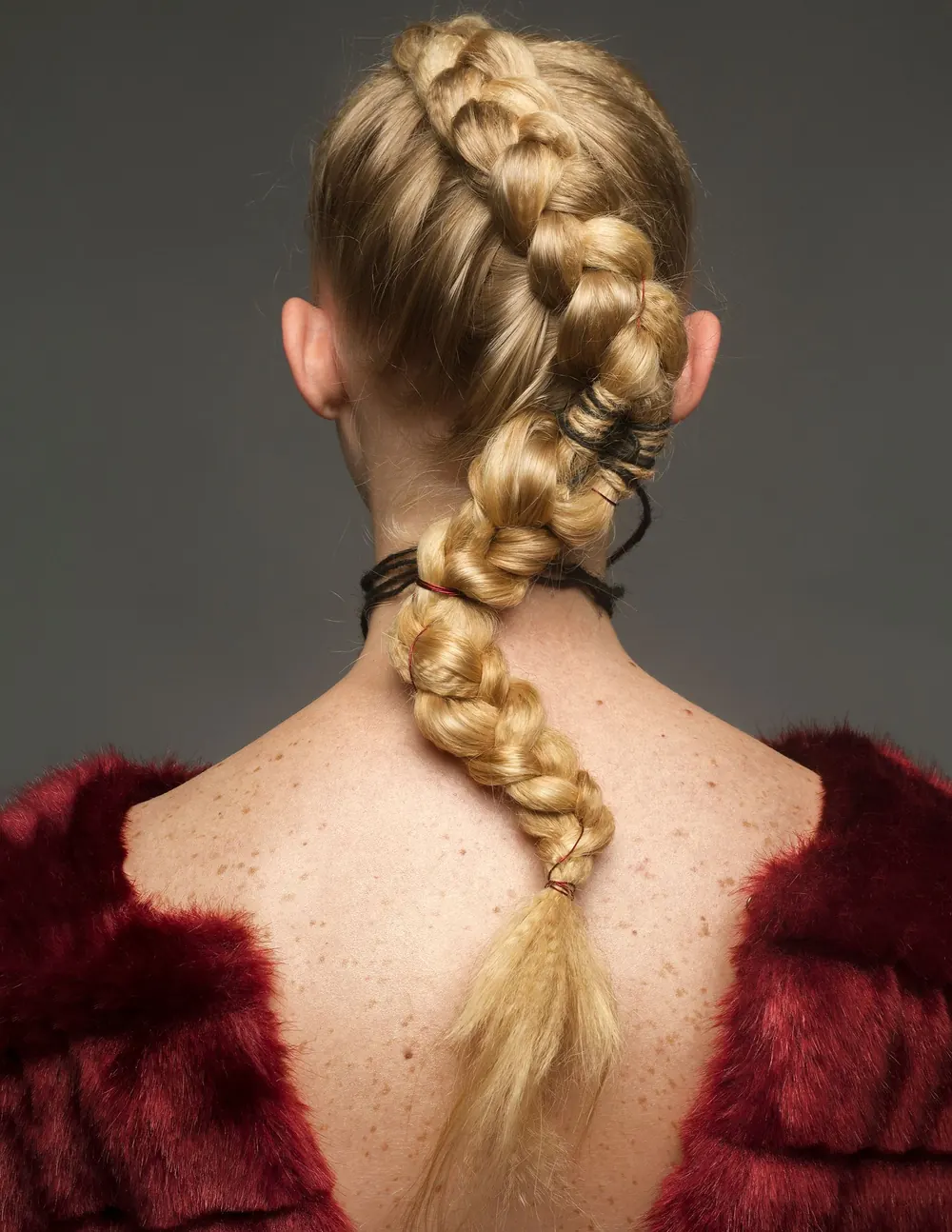
A French braid is a three-strand braid that starts at the crown and gradually adds more hair to each strand as you work down the head. The result lies flat against the scalp and gets thicker as it goes. A Dutch braid is the same technique, but you cross strands under instead of over, so the braid stands out from the head.
How to French braid your own hair
Prepare your hair
Braids are easier on hair that is not freshly washed and silky. Second-day hair is ideal. If your hair is clean, add a little texture spray or dry shampoo. Brush out all tangles first.
Step by step
- Take a section at the top. Grab a section of hair at the crown, about 5 cm wide.
- Divide it into three. Split this section into three equal strands: left, middle and right.
- Make one normal braid stitch. Cross the right strand over the middle, then the left strand over the new middle.
- Add hair on the right. Before crossing the right strand over again, pick up a small section of loose hair from the right side of your head and add it to the right strand. Then cross it over the middle.
- Add hair on the left. Do the same on the left: pick up a small section of loose hair, add it to the left strand, and cross it over the middle.
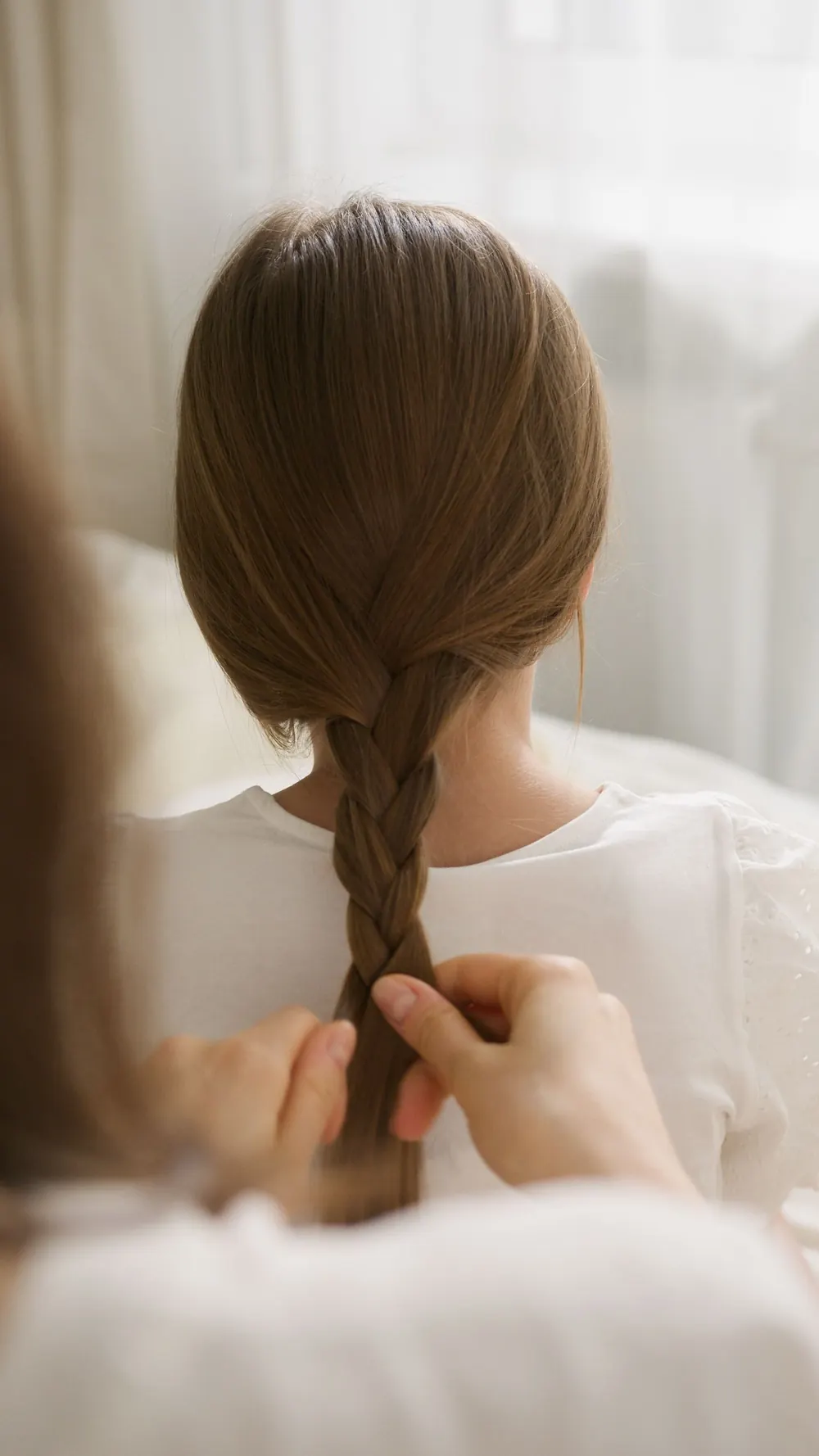
- Repeat. Keep adding hair to each side as you cross, working down the back of the head.
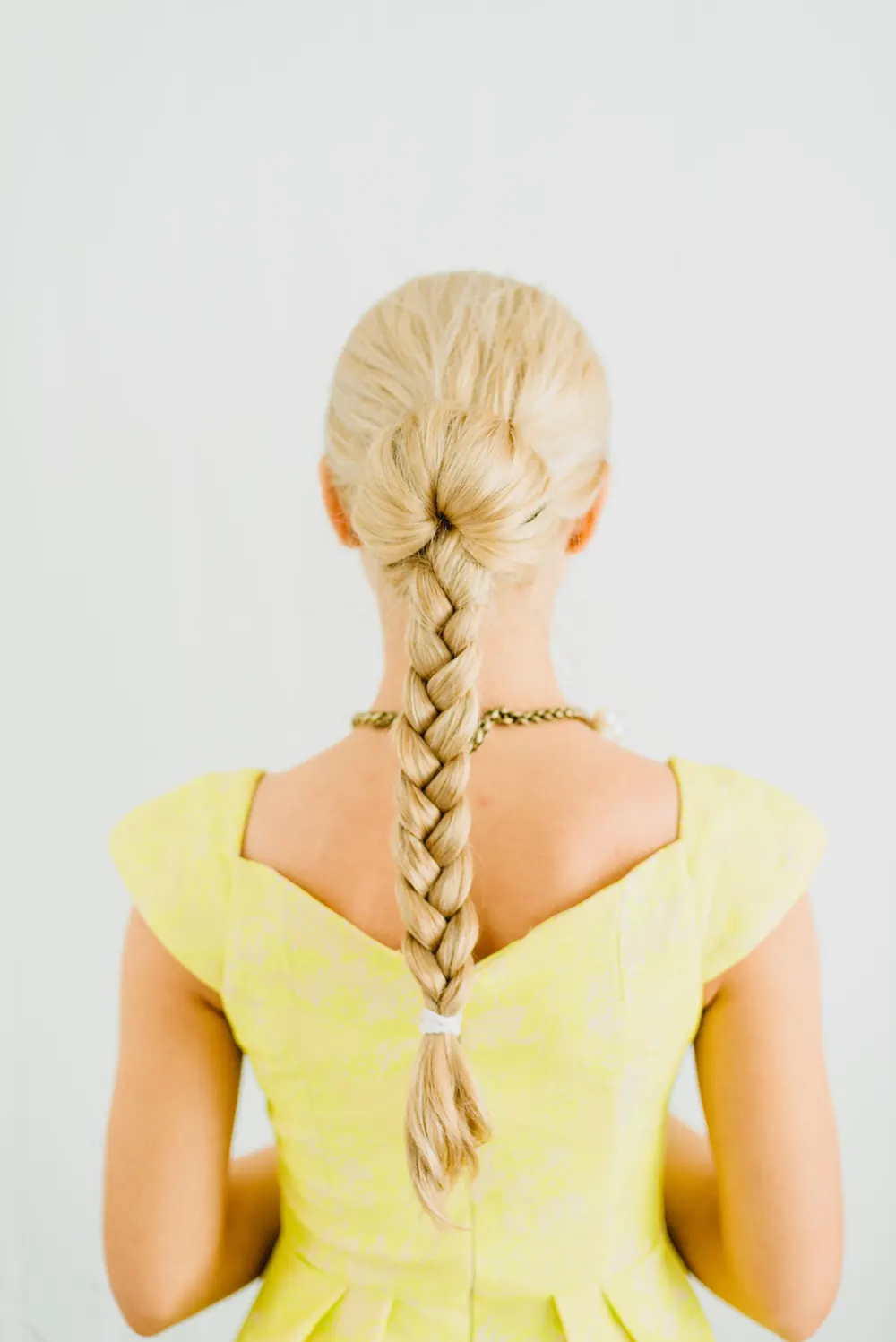
- Finish the braid. When you reach the nape and there is no more loose hair to add, continue with a regular three-strand braid to the ends.
- Secure. Tie with an elastic.
Tips for braiding your own hair
- Keep your sections small and even for a neater braid.
- Keep your hands close to your head to keep the braid tight.
- Use your fingertips to feel your way rather than relying on a mirror.
- Practise in front of a mirror while watching TV. Your arms will get tired the first few times, which is normal.
- If you get lost, just brush out and start again.
Easy French braid hairstyles
Single French braid
The classic. Neat, practical and great for workouts, travel and busy days.
Double French braids
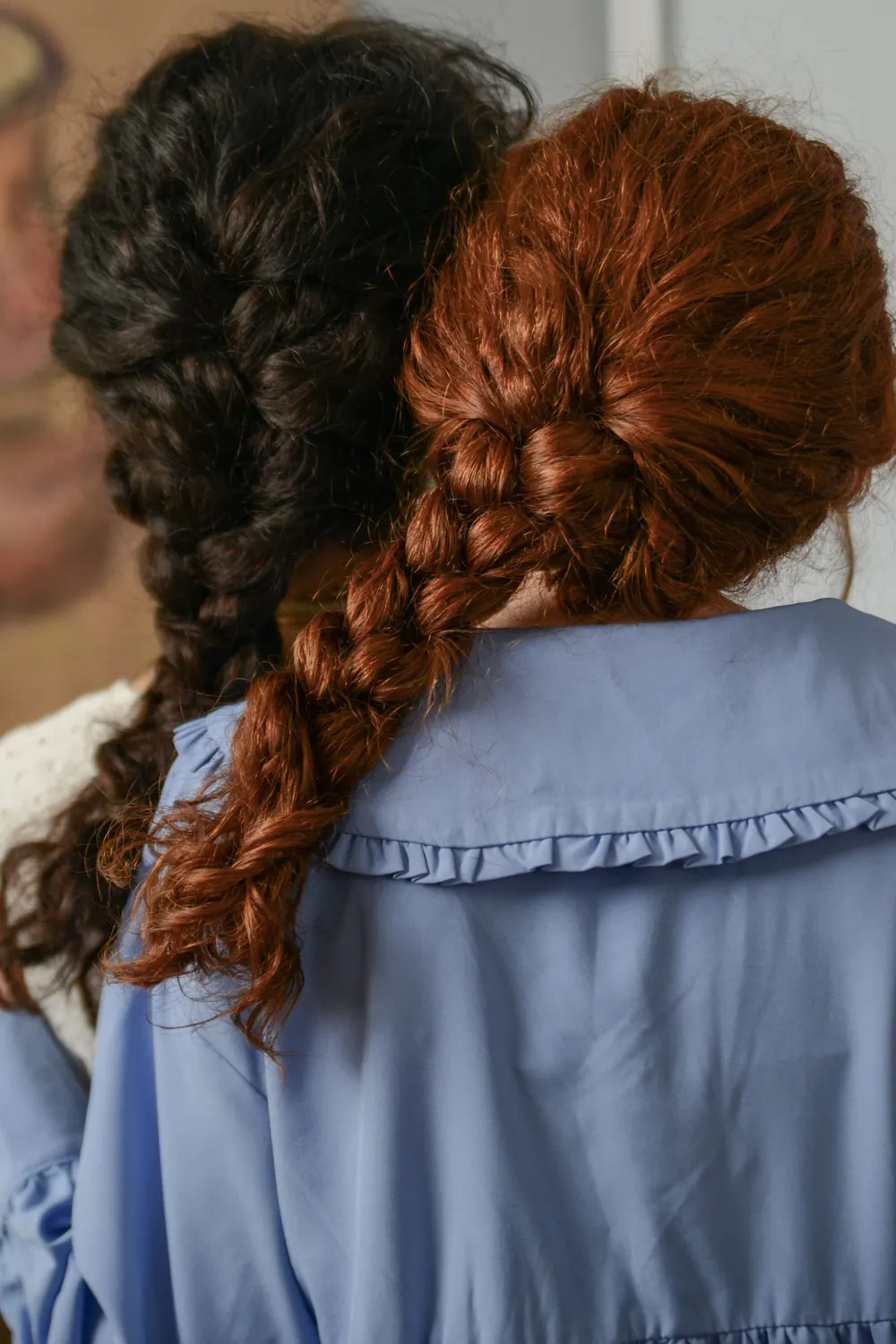
Part your hair down the middle and braid each side separately. Sporty and cute, and very popular for festivals and the gym.
French braid ponytail
French braid from the crown to the nape, then gather all your hair into a ponytail. Polished and practical.
Half-up French braid
French braid just the top section of hair to the back of the crown and leave the rest loose. Curl the lengths for a romantic look.
Side French braid
Start at the side of your part and braid along the hairline toward one ear. Pin the end behind your ear or continue into a side ponytail.
French braid crown
Braid around your head like a halo. Beautiful for weddings and summer.
Double French braid bun
Make two French braids down the back, then twist the ends into a low bun and pin. This is a lovely holiday and wedding look because it holds all day and looks elegant.
French braid into a messy bun
French braid upside down from the nape to the crown, then twist the rest into a messy bun on top. Great for long hair and very practical.
French braids for short hair
If your hair is shoulder-length or shorter, try:
- Two small braids along the hairline, pinned behind the ears.
- A crown braid that only uses the top layer of hair.
- A side braid along the part as a fringe-taming style.
Use texture spray and small elastics or bobby pins to hold short layers in place.
Holiday and wedding French braids
For special occasions, add a little extra:
- Gently pull out the edges of the braid ("pancaking") to make it look fuller and softer.
- Leave a few face-framing pieces loose and curl them.
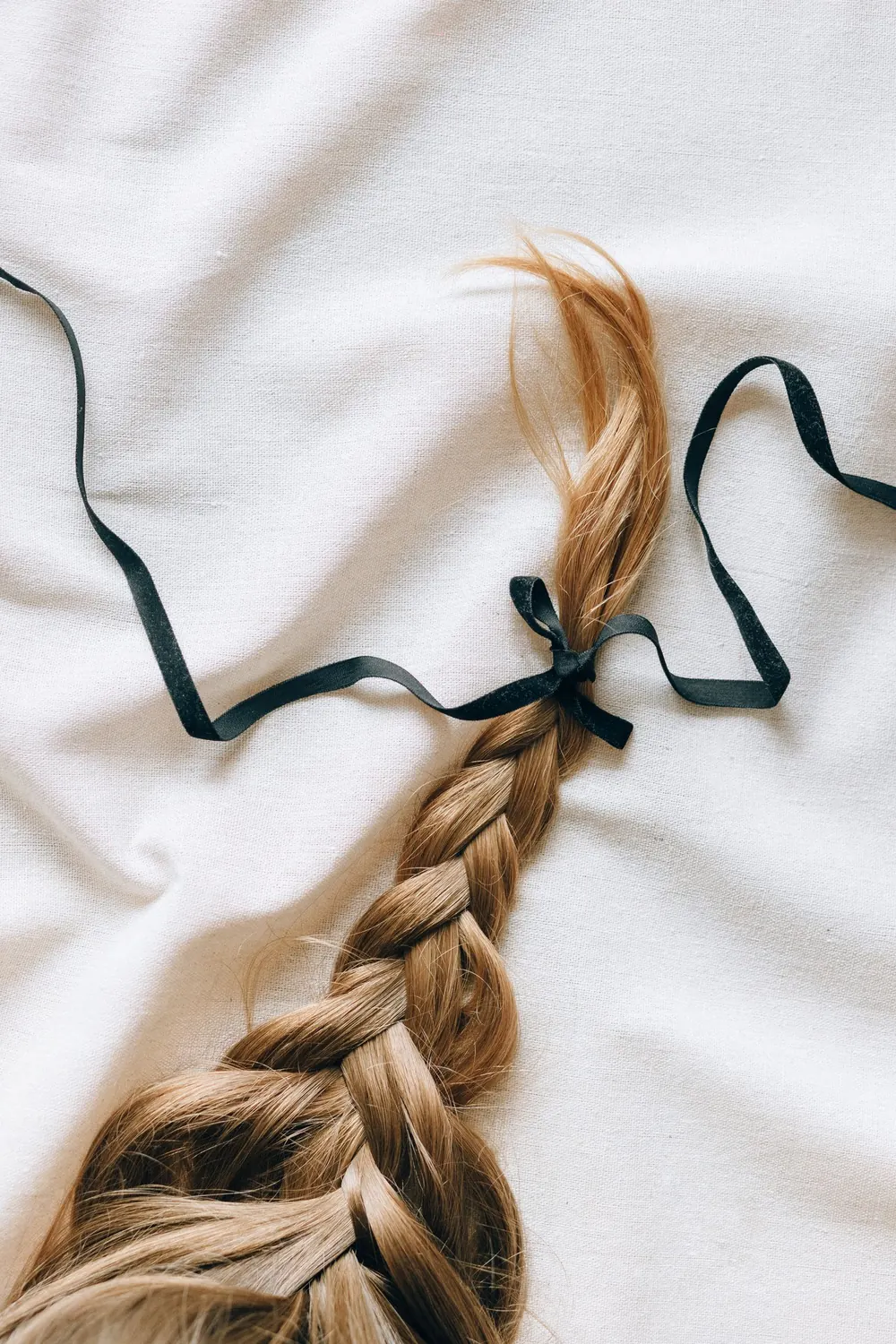
- Add pearl pins, a ribbon or a small velvet bow. Our hair bow hairstyles guide shows how to secure bows on braids.
- Finish with a shine spray.
Making braids last
Braids are one of the longest-lasting styles, but a few tricks help them survive a long day or even overnight:
- Mist with a light hold hairspray.
- Sleep in a silk or satin pillowcase or scarf.
- Use small, clear elastics at the ends.
French braids for heatless waves
Braid damp (not wet) hair into one or two French braids before bed. In the morning, take them out and rake your fingers through for soft waves. The tighter and smaller the braids, the tighter the waves.
Common mistakes
- Sections that are too big: the braid looks lumpy. Keep them small.
- Loose tension: the braid falls apart. Keep your hands close to your head.
- Uneven strands: the braid drifts to one side. Check that each strand is the same size.
- Braiding wet hair too tightly can stress the hair. Braid when it is just damp.
Troubleshooting your braid
- Pulling too tight at the start.
- Uneven sections.
- Braiding dry, slippery hair: use texturising spray.
Styling variations
Try a single braid, two braids, a braided crown or a half-up braid. Pancake the braid by pulling the edges gently for fullness.
Key takeaways
- Start with second-day hair or texturising spray so the braid has grip.
- Keep sections even and add hair from the hairline only, in matching amounts.
- Keep tension firm near the scalp, then relax as you move down.
- Pancake the finished braid gently for a fuller, softer look.
- Two braids, crowns and half-up braids all use the same basic technique.
- Braid damp hair overnight for heatless waves the next morning.
One last tip
Practise on yourself when you have time rather than when you are running late. Sitting down with your elbows resting on a table reduces arm fatigue, and working in front of two mirrors helps you see the back of the braid as you go.
Get the Style Journal Co letter
One thoughtful email a week with our newest guides and seasonal ideas. No spam, unsubscribe anytime.
FAQ
Is it hard to French braid your own hair?
It takes practice, but most people can do it after a few tries. Start with one braid at the back and keep sections small.
What is the difference between French and Dutch braids?
In a French braid, strands cross over the middle. In a Dutch braid, they cross under, so the braid stands out.
Can I French braid short hair?
Yes, if it is at least chin-length. Small braids along the hairline work best.
French braid hairstyles are a skill that pays off for years. Learn the basic braid, then try double braids, buns and crowns for every occasion.
Save this guide for later — this image is sized for pinning.
Some posts may contain affiliate links; see our disclosure. Photography: Anna Shekhvatova; Tatan Zuleta; Nataliya Vaitkevich; Lara; Artem Podrez; Anastasia Shuraeva via Pexels.